Between packed work schedules, family responsibilities, and the daily rush of city life, finding time to prioritize your health often feels like a luxury. This is exactly why yoga classes at home have become such a welcome shift for so many practitioners, offering a way to ease stress, improve flexibility, and calm a racing mind without adding more to an already full day. The usual hurdles, driving to a studio, adjusting to fixed timings, or practicing alongside strangers, simply disappear when your mat is right where you are.
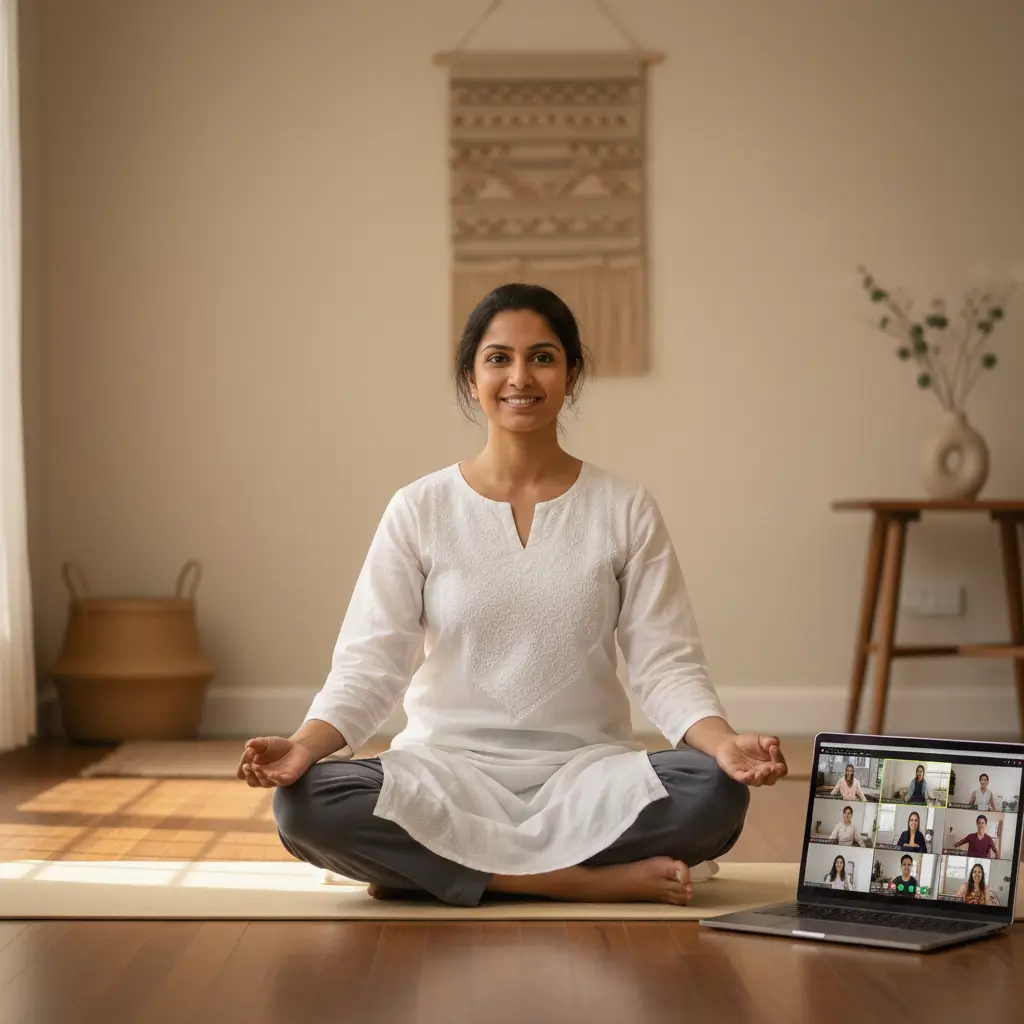
Practicing yoga from your own living room removes the friction that often stops people from starting or sticking with a wellness routine. There’s no commute, no rigid schedule, and no pressure to keep up with an unfamiliar class pace. You simply roll out your mat, log in, and begin.
Alongside physical postures, breathing-based practices have also found a natural home online. Online pranayama classes now make it possible to learn controlled breathing techniques step by step, with proper guidance, right from your phone or laptop. Together, these two shifts are reshaping how people build sustainable, stress-relieving habits. Let’s look at why this approach works so well, and how you can make the most of it.
Why More People Are Choosing to Practice Yoga at Home
The shift toward home-based practice isn’t just about convenience. It reflects a real change in how people want to experience wellness.
Flexibility that fits real life
Not everyone can commit to a 7 a.m. studio slot. With home practice, you choose the time that works, whether that’s early morning before the household wakes up or a quiet slot late in the evening.
Comfort and Privacy
Some people feel self-conscious in a room full of experienced practitioners, especially when starting out. Practicing at home removes that pressure, letting beginners move at their own pace without feeling watched or judged.
Lower cost, no travel time
Studio memberships, fuel costs, and time spent commuting add up. A well-structured online class or program often costs less and saves the hours you’d otherwise spend traveling back and forth.
Consistency over intensity
Wellness experts consistently point out that regularity matters more than occasional, intense sessions. A short, steady yoga classes at home, practiced five days a week tends to deliver better long-term results than a single demanding studio class once a week.
Getting Started With Yoga Classes at Home
If you’re new to practicing outside a studio setting, a few simple steps can make the transition smoother.
- Set up a dedicated space You don’t need an entire room. A quiet corner with enough space to stretch out a mat, away from heavy foot traffic, works perfectly well.
- Keep your equipment simple A mat, a light towel, and comfortable clothing are usually enough to begin. Props like blocks or straps can be added later as your practice develops.
- Choose structured guidance over random videos Following a scattered mix of free videos can leave you unsure of correct form or progression. Structured, guided sessions designed with a clear beginner-to-advanced path tend to produce far better results and reduce the risk of strain or injury.
- Start with shorter sessions A 20 to 30 minute daily session is often more sustainable than attempting a 90-minute class right away. You can build duration gradually as strength and flexibility improve.
- Track how you feel, not just how far you stretch Progress in yoga isn’t only physical. Note improvements in sleep, focus, or stress levels alongside flexibility gains.
Understanding the Role of Pranayama in a Home Practice
Physical postures are only one half of a complete yoga practice. Breathing techniques, known as pranayama, play an equally important role in calming the nervous system and improving focus.
What pranayama actually does
Pranayama involves specific breathing patterns designed to regulate the flow of breath and, in turn, influence mental and physical states. Techniques like alternate nostril breathing, box breathing, and Bhramari (humming bee breath) are commonly used to reduce anxiety, improve concentration, and support better sleep.
Why guided instruction matters
Breathing exercises look simple on the surface, but incorrect technique, such as breathing too rapidly or holding breath without proper build-up, can cause dizziness or discomfort. This is where online pranayama classes offer real value. A qualified instructor can guide you through correct pacing, posture, and progression, something that’s difficult to gauge accurately from a written guide alone.
Practical benefits reported by regular practitioners
- People who practice pranayama consistently often describe:
- Better ability to manage stress during demanding workdays
- Improved sleep quality and reduced racing thoughts at night
- Greater lung capacity and steadier breathing during physical activity
- A noticeable sense of calm before high-pressure situations like presentations or exams
- Combining Yoga and Pranayama for a Balanced Routine
- Postures and breathwork complement each other. Physical practice builds strength and flexibility, while breath control supports the nervous system and mental clarity. A simple weekly structure might look like this:
- Morning sessions focused on gentle stretching and sun salutations to wake up the body
- A midweek pranayama-focused session to reset stress levels
- A weekend session combining both, with a longer, more restorative flow
- This kind of balance ensures you’re not just training the body, but also giving equal attention to breath and mind, which is really the foundation yoga was built on in the first place.
Making Yoga Classes at Home Work Long-Term
- Consistency, more than intensity, is what separates people who stick with yoga from those who give up within a few weeks. A few small habits can help:
- Schedule your session like an appointment, not an option
- Follow a structured, progressive program rather than jumping between random videos
- Join a live or interactive class occasionally to stay accountable and ask questions
- Track small wins, better sleep, less tension, more energy, rather than focusing only on flexibility
- For many people, this is where guided online programs prove genuinely useful. Structured yoga classes at home and dedicated online pranayama classes offer the same expert guidance you’d expect from an in-person studio, minus the scheduling constraints, while helping you stay consistent through built-in structure and accountability.
Final Thoughts on Yoga Classes at Home
Yoga doesn’t need a studio, a fixed schedule, or a room full of experienced practitioners to be effective. What it does need is consistency, correct guidance, and a routine that fits realistically into your life. Home-based practice, supported by well-structured postural sessions and proper breathwork training, offers exactly that.
Whether you’re just beginning or looking to deepen an existing practice, starting small and staying consistent will always outperform sporadic, intense efforts. If you’re ready to explore guided yoga classes at home designed for real progress, at your own pace and on your own schedule, it may be worth looking into structured programs that bring both movement and breath practice together in one place.